
Industry insights
Understanding seafood supply chains, from marine resources to international markets. An operational perspective on origins, professions and requirements that shape seafood trade.
One value chain, many professions
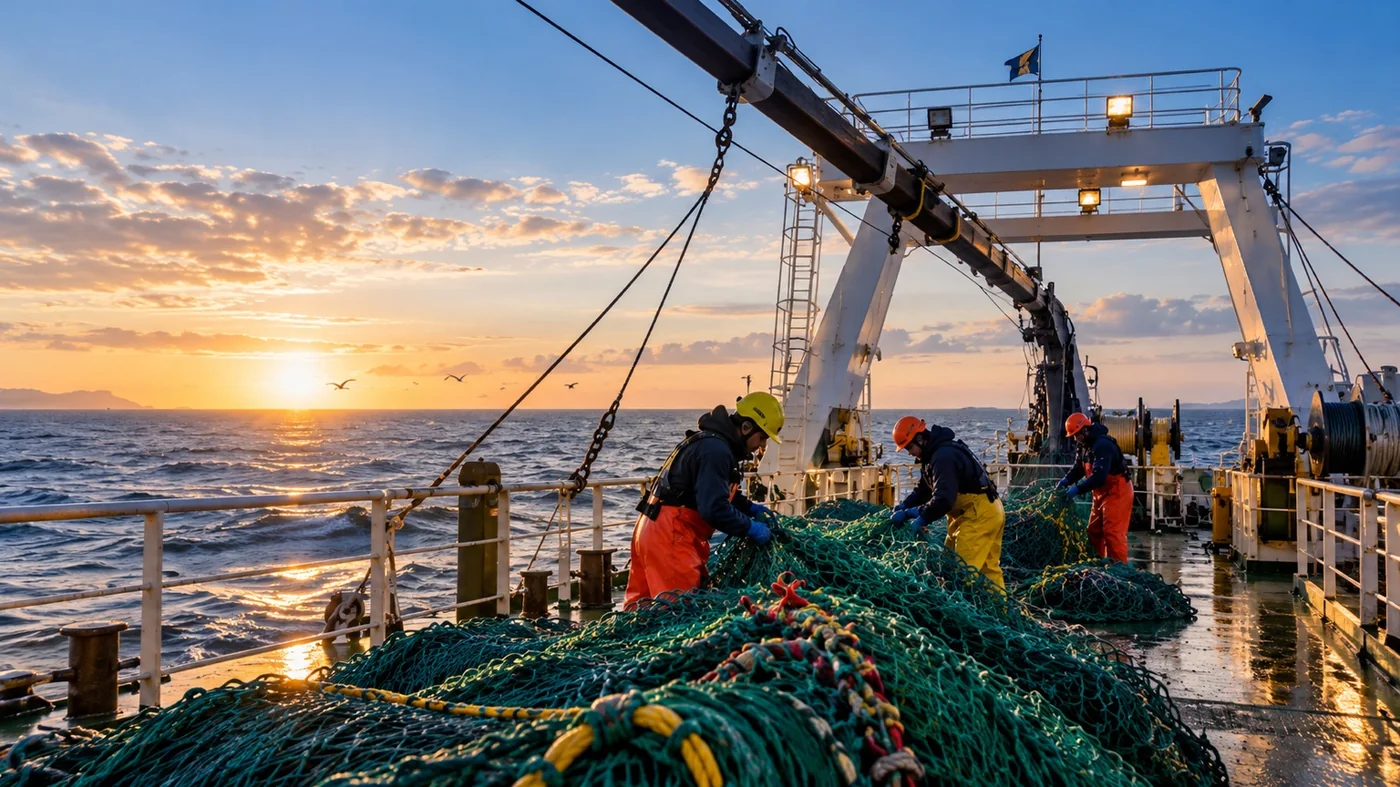
Procurement begins with understanding the species, origin, fishing or farming method, landing conditions and intended market. Every supply chain has its own seasonal rhythms, constraints and quality criteria.
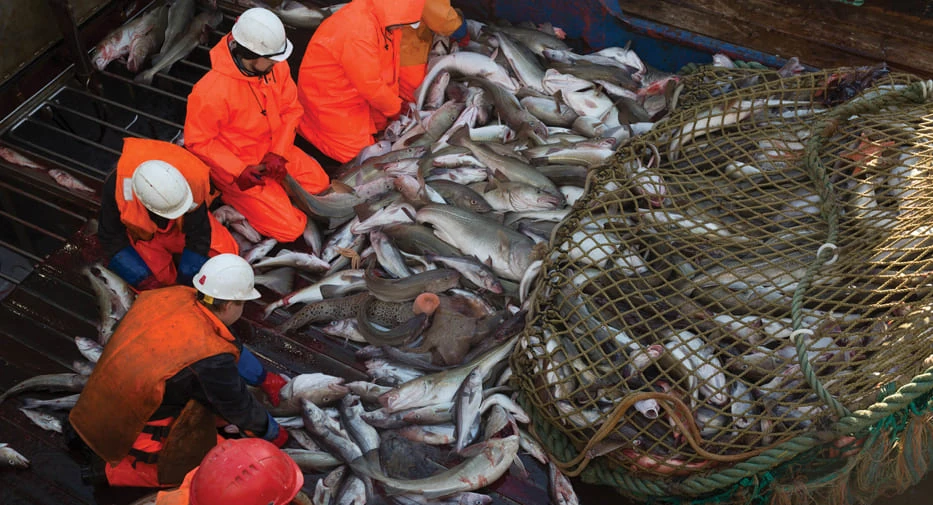
Between vessel and buyer, sorting, grading, preparation, processing, freezing and storage may change product characteristics. Identifying these stages early helps establish coherent specifications, compare offers on like terms and anticipate checks.
- Capture or farming
- Landing and sorting
- Preparation and checks
- Storage and transport
- Distribution
A global industry in transition
Catch seasonality, evolving farming practices, environmental constraints, energy costs and industrial capacity influence supply opportunities. Understanding an origin requires field information, documented data and lot-specific specifications.
A favourable season does not guarantee availability or volume. For each species and origin, verify the applicable calendar, authorisations, product characteristics and supplier ability to meet destination market requirements.
Three complementary views of the industry
Connecting resources, operations and markets helps look beyond price and understand the factors that shape product value.
Resources and origins
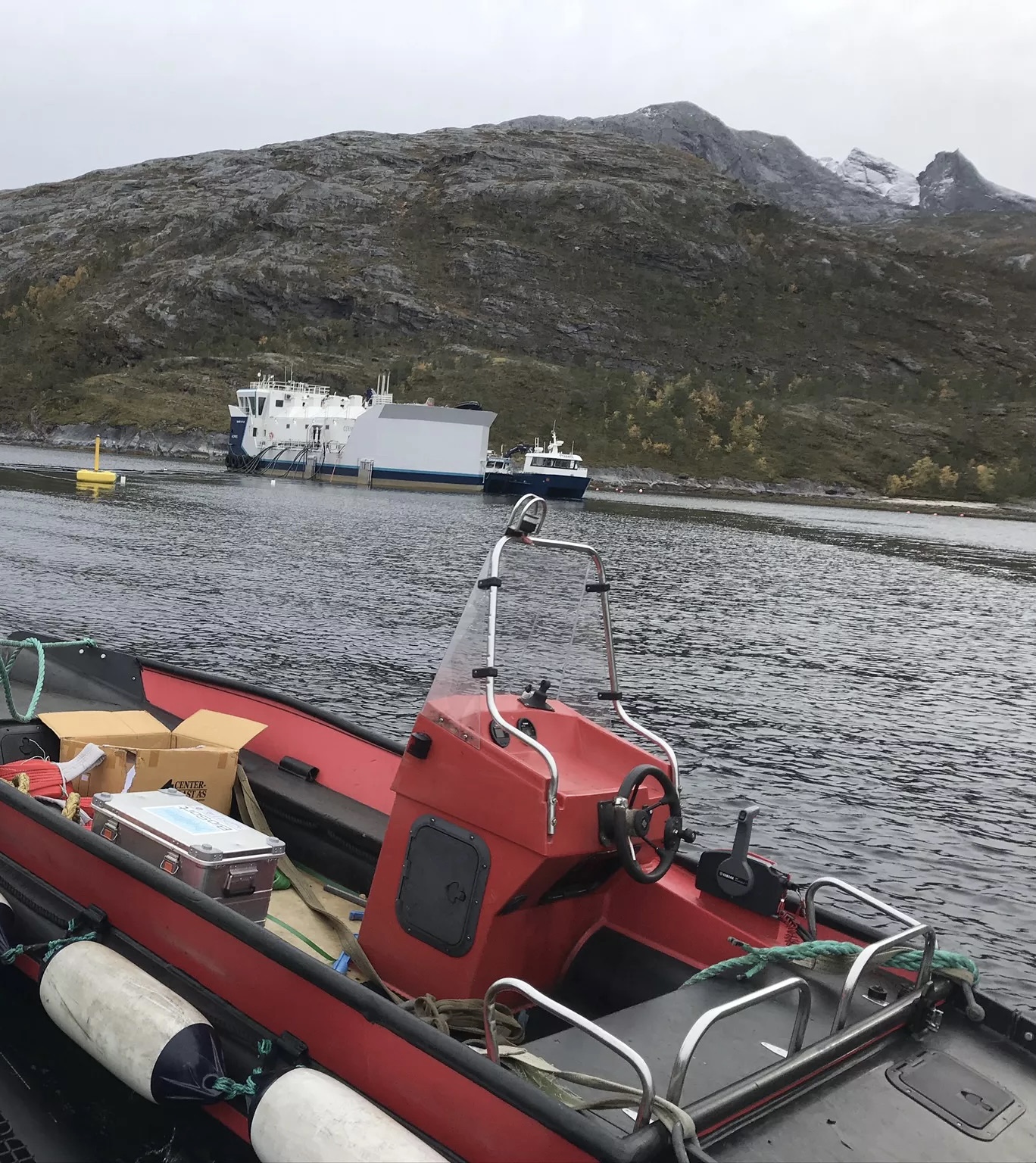
Species, fishing areas, seasons, fishing and farming methods: establish product context before comparing offers.
Explore the catalogue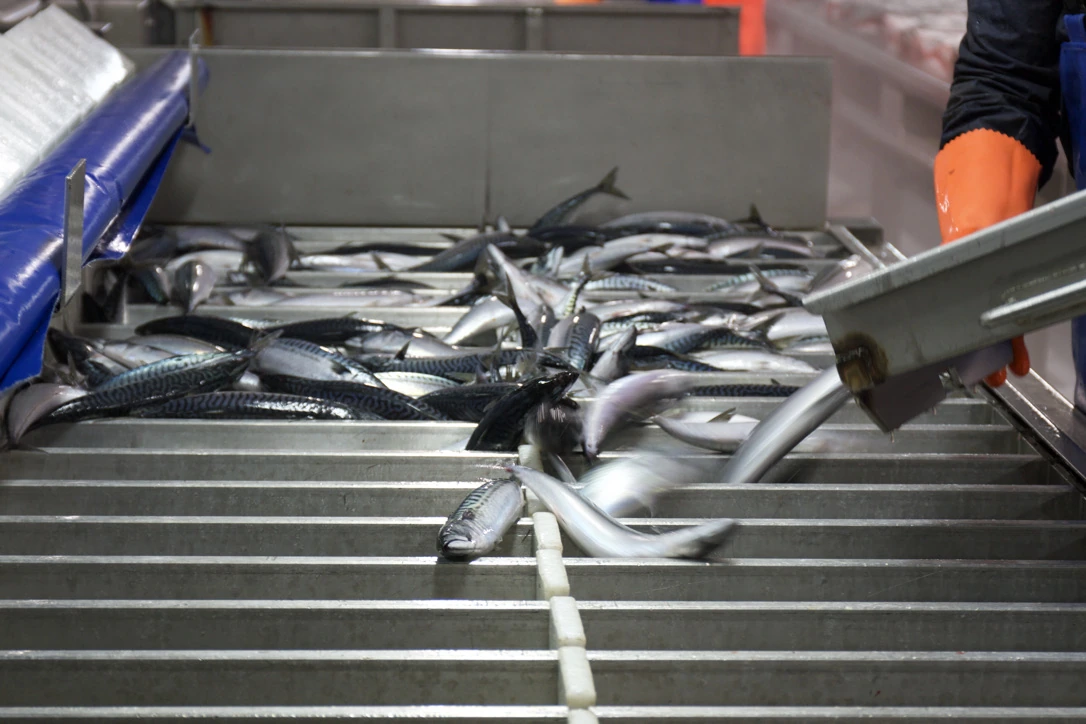
Quality and operations
Grades, formats, packaging, document checks and the cold chain: define the parameters for each lot.
Explore our quality approach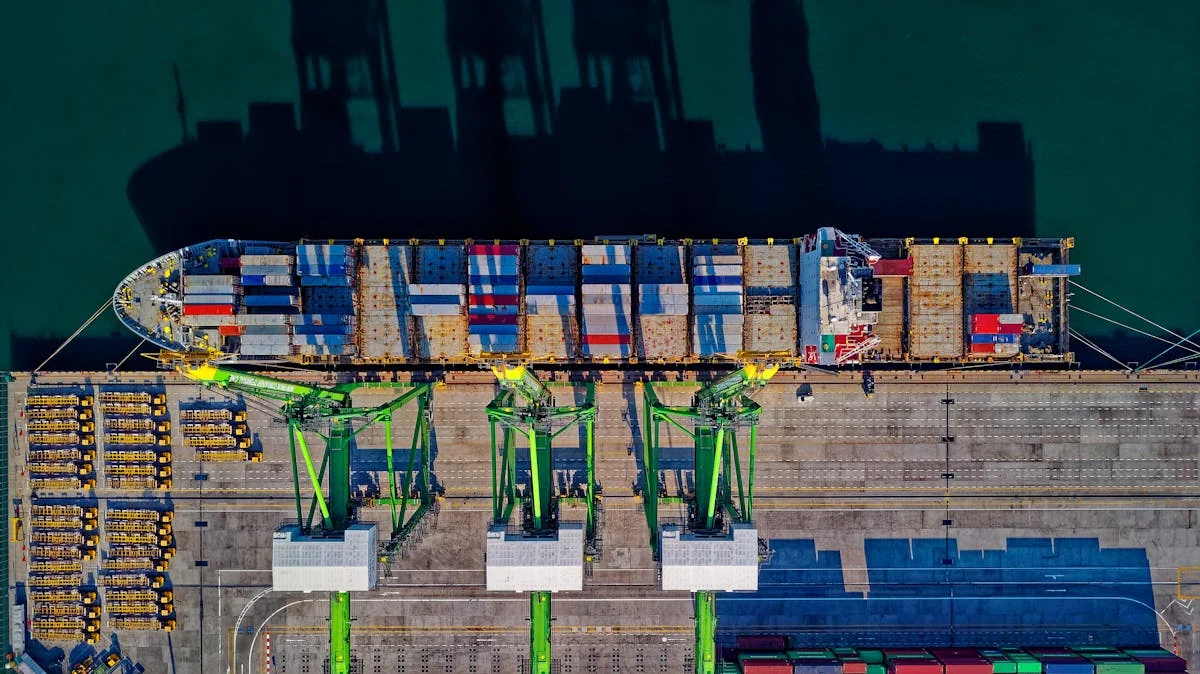
Markets and logistics
Buyer demand, destinations, transport and contractual conditions: understand the journey to the customer.
Explore our marketsUnderstanding international trade
FAO areas 27, 34, 47, 48 and 87 identify distinct fishing areas. They alone do not establish commercial origin, catch season or the sustainability status of a lot. Documentary traceability, species identity, country and production conditions must be assessed together.
Fresh and frozen products require different supply routes. Transport, packaging and temperatures depend on product, lead time and destination. For temperature-controlled ocean shipments, container loading, export documents and cold-chain continuity must be prepared.


Discuss your procurement needs
Specify species, desired origin, format, volume, destination and lead time. We will review the parameters of your project.
Request a quote