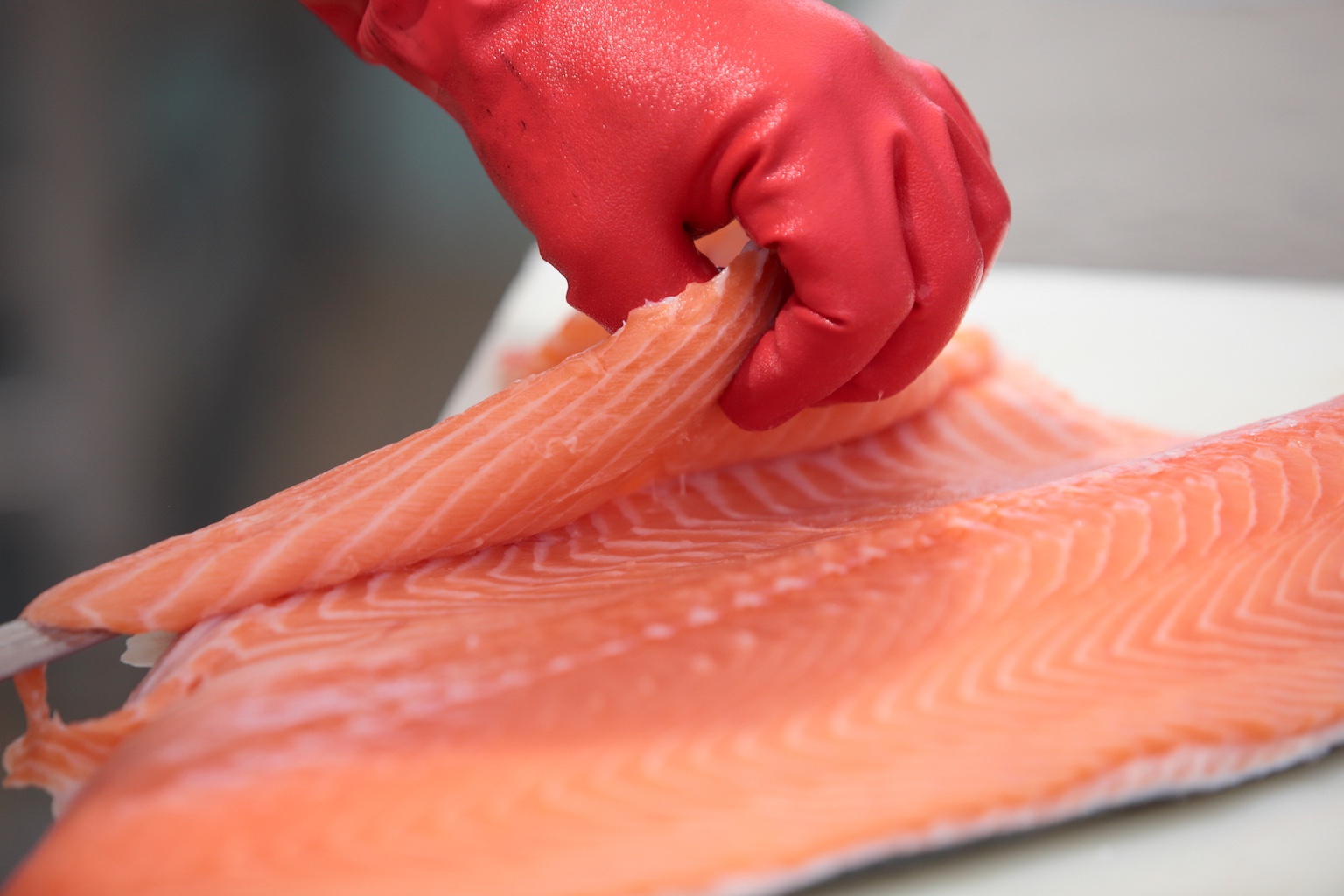
Identification and traceability
Reconcile species, origin, establishment, lot number, production date, labels and commercial documents.

Quality begins at sourcing: species identification, lot specifications, temperature control and documentation checks before each commercial commitment.
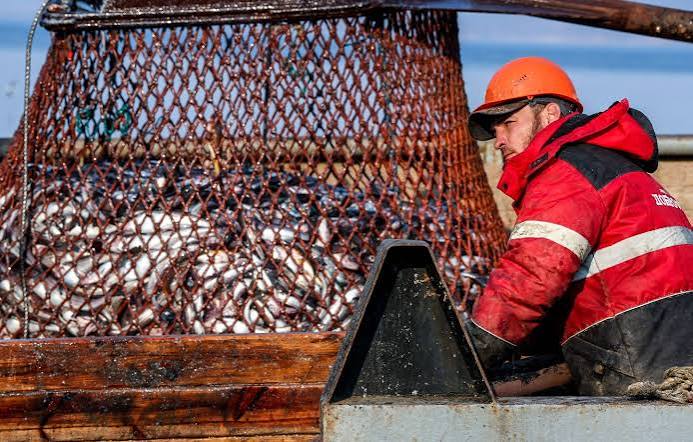
Species identification, specifications, origin, catch or farming area, temperature, packing, health documentation and traceability are checked before a transaction is confirmed.
Define commercial and scientific names, origin, format, grade, net weight, tolerances and acceptable defects. Requirements vary between processing, retail and food service.
Request a quotationConformity cannot be established solely from a photograph or commercial reference. Checks depend on the product, contract and destination.
Reconcile species, origin, establishment, lot number, production date, labels and commercial documents.
Define checks for size, appearance, net weight, tolerances, glaze where relevant, carton integrity and temperature. Adapt sampling to the lot and contract.
Prepare applicable destination documents; agree receiving checks, notification deadlines and the procedure for deviations.

Commercial and scientific species designations, FAO area, processor, origin, production method and lot reference should be established prior to shipment.
Photographs, labels, temperatures, tests and certificates must relate to the actual goods. Generic documents cannot establish a specific lot's conformity. Verify destination health and customs requirements.
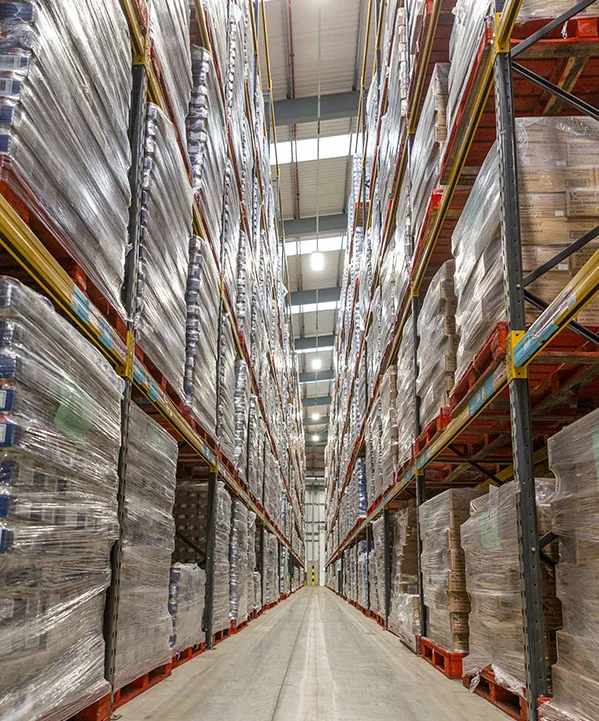
For fresh and frozen seafood, define storage conditions, reference temperatures, transit duration and receiving criteria before dispatch. Review temperature records and deviations against the lot requirements.

Check applicable health documents, production establishment, traceability and destination requirements. Review certificates and analyses for validity, scope and product risk.
Compliance is built into every operational step.
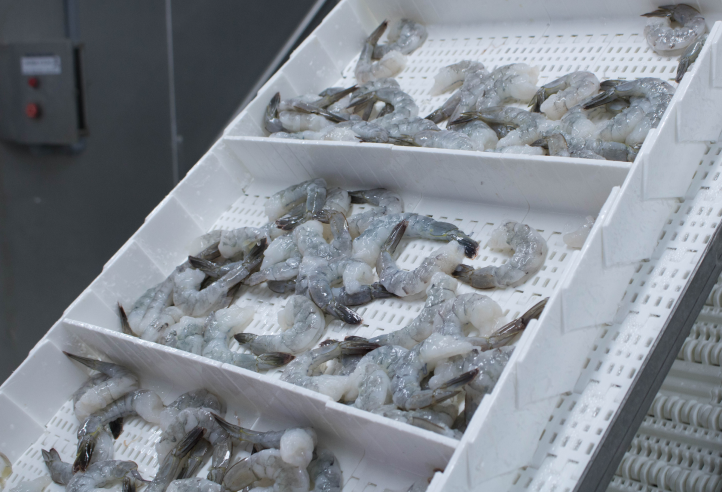
Document identified deviations and communicate them to the relevant parties. Acceptance, additional inspection and claims follow the agreed conditions.
Identify differences from specifications before the commercial decision. Inspection, acceptance and claims conditions must be agreed with the relevant parties.
Commercial and scientific species designations, FAO area, processor, origin, production method and lot reference should be established prior to shipment.